 01AI Illustration.
Connectivity & IT
Network Infrastructure & Internet Connectivity
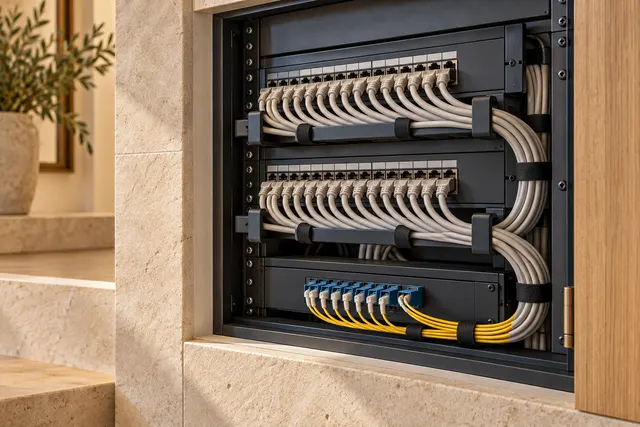
Physical infrastructure and resilient connections.
VIEW DETAILS – Network Infrastructure & Internet Connectivity

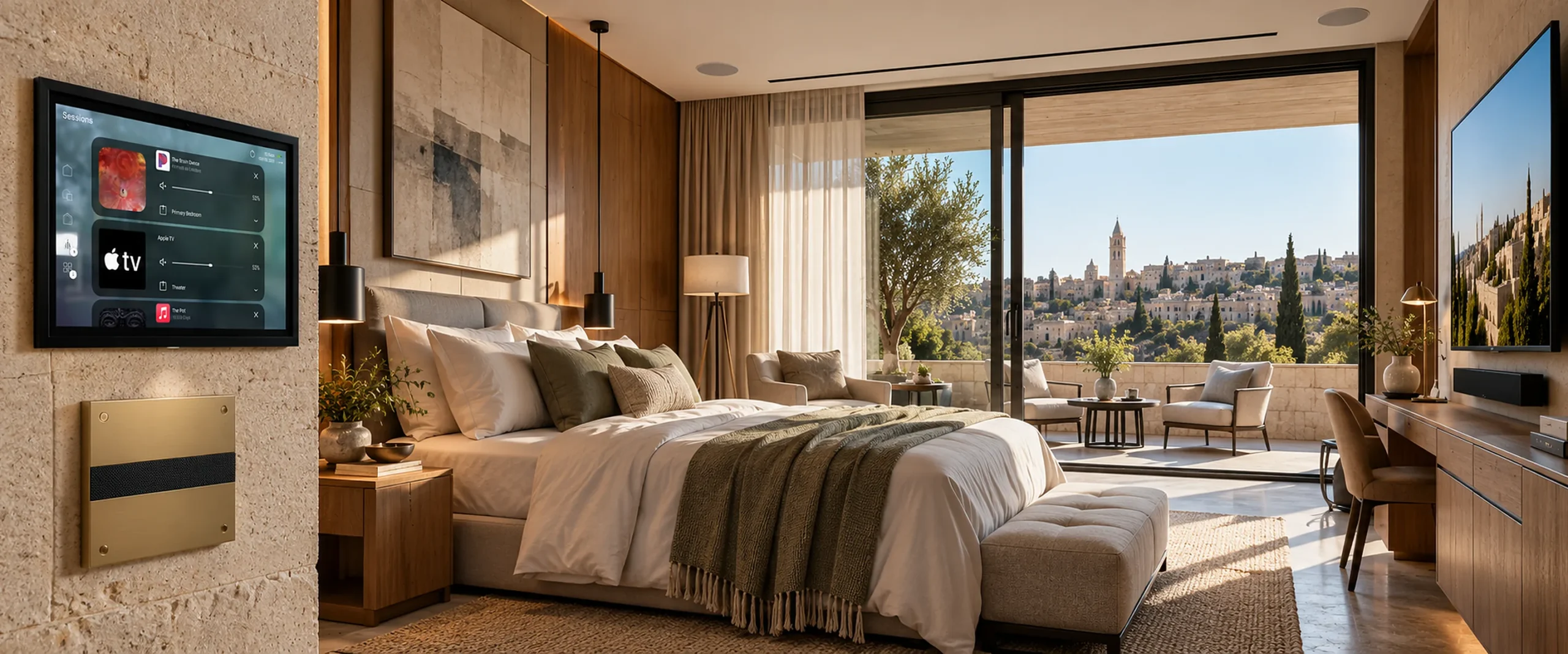
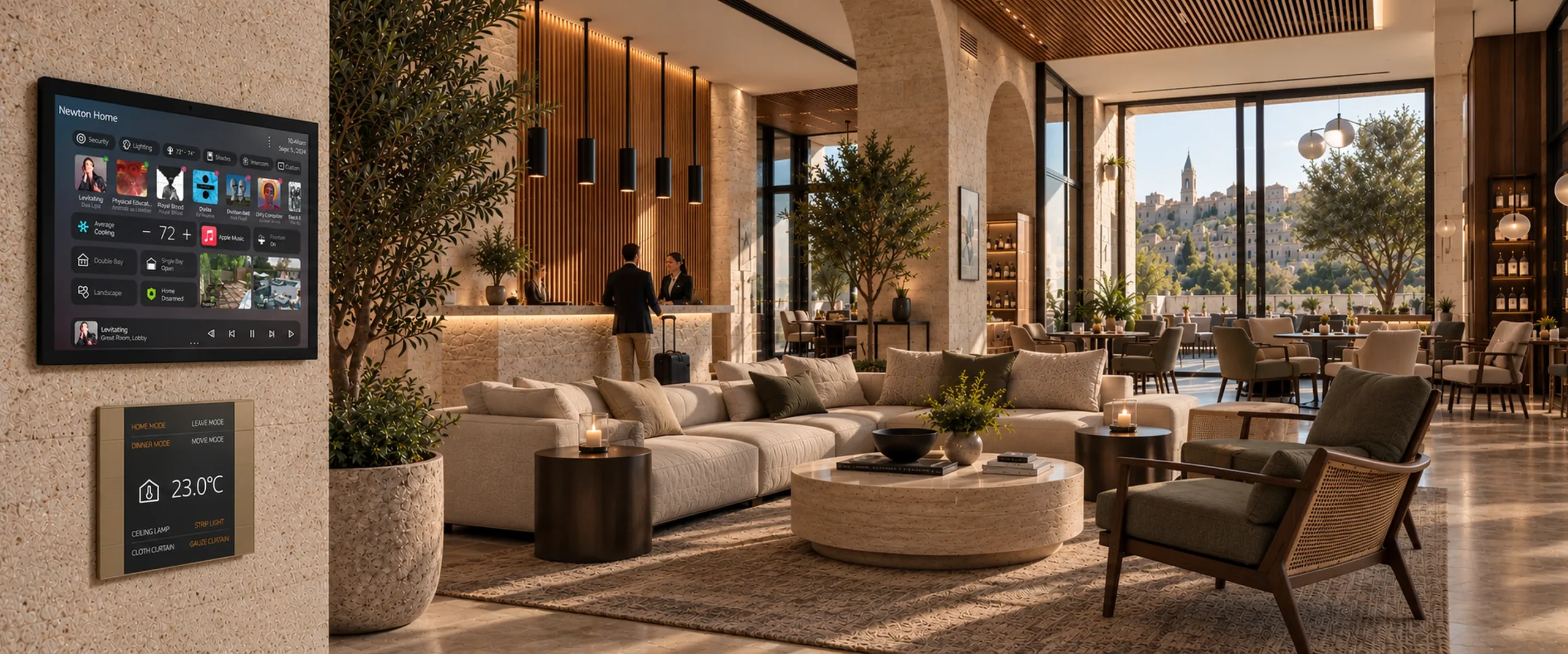
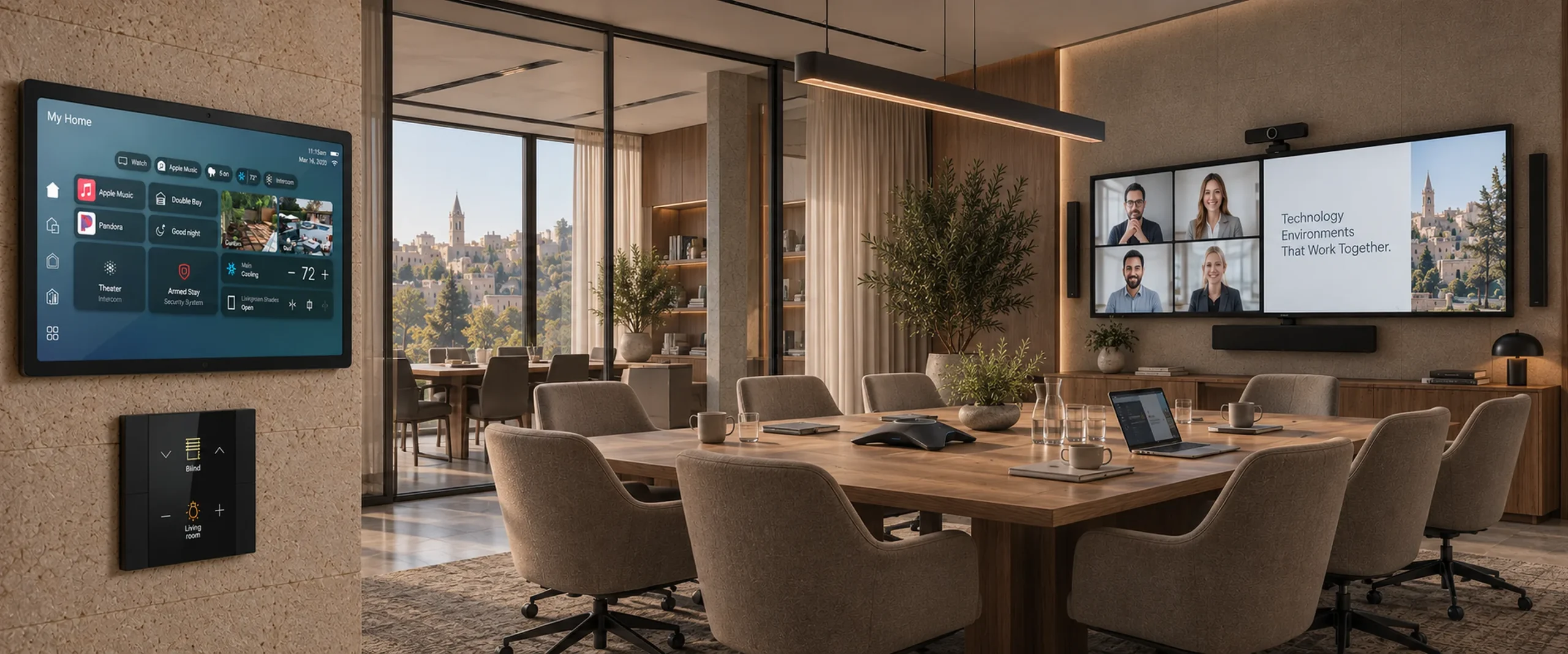
Networks, security, AV and smart control, delivered by one team.
EXPLORE THE ATLAS







Networks, security, AV and smart control, delivered by one team.
AI Illustration.
ONE COORDINATED ENVIRONMENT
Explore BootNet’s capabilities across five connected areas, with planning, integration and ongoing service bringing the selected systems together.
TECHNOLOGY CAPABILITIES
The network, computing and communication foundations that connect people, devices and locations.
AI Illustration.Network Infrastructure & Internet ConnectivityPhysical infrastructure and resilient connections.VIEW DETAILSCLOSE DETAILS+We design and install communications infrastructure, including copper cabling, fibre backbones, communications rooms and accessible pathways for maintenance and future upgrades. The network architecture defines how devices, systems and locations connect, with segmentation to separate different users and operational requirements.
Internet connectivity is coordinated with communication providers. Where required by the project, primary and backup connections, automatic failover and traffic prioritisation are incorporated to reduce disruption from individual connection failures.
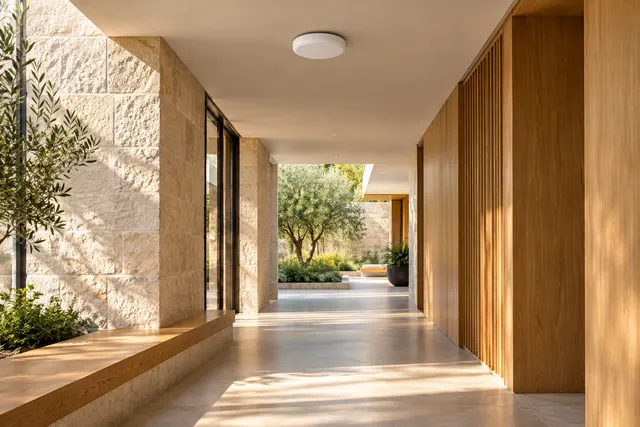 AI Illustration.Wi-Fi NetworksWireless coverage around people and spaces.VIEW DETAILSCLOSE DETAILS+
We plan and implement wireless networks around coverage, capacity and the way people and devices use the space. Indoor and outdoor areas, building layout and expected demand inform the design.
Wireless access is coordinated with the wider network, with separate access arrangements for different user groups where needed. Centralised configuration provides a consistent basis for administration; ongoing monitoring and support are provided within the scope of the selected service agreement.
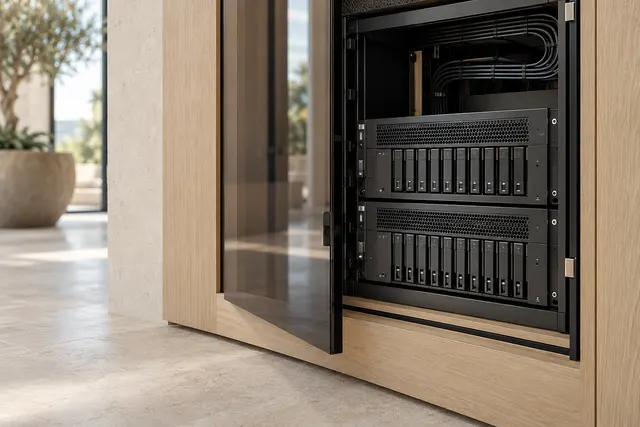 AI Illustration.IT Infrastructure & SystemsPlatforms for applications, data and growth.VIEW DETAILSCLOSE DETAILS+
Applications and data depend on the platforms behind them. BootNet brings together servers, storage, virtualisation and cloud services in a coordinated IT environment, shaped around operational requirements and capacity needs.
We configure and integrate core platforms, including identity infrastructure, and document their configuration to support administration and future changes. Capacity planning helps align resources with current demand and anticipated growth.
Cloud services are incorporated according to the agreed project scope. Where included, Microsoft Azure and Microsoft 365 support hosting, email, file storage and sharing, identity services and collaboration. Migration from legacy systems is planned as part of the transition to the selected environment.
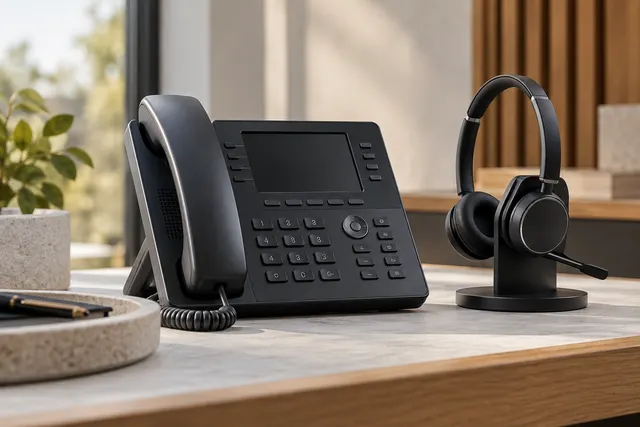 AI Illustration.Unified Communications & TelephonyTelephony and communication across locations.VIEW DETAILSCLOSE DETAILS+
A consistent communication environment connects people across rooms, locations and remote working arrangements. BootNet plans and integrates telephony and cloud PBX systems around how users need to communicate, with centralised administration and room to expand.
Telephony can be connected with messaging and selected collaboration platforms to provide a coordinated user experience. The configuration reflects operational requirements, platform compatibility and the agreed project scope.
The communication environment is designed for consistent administration across its users and locations. Ongoing management and support are provided according to the selected service agreement.
TECHNOLOGY CAPABILITIES
Protection across networks, entrances and physical spaces, with controls and response arrangements shaped around the project.
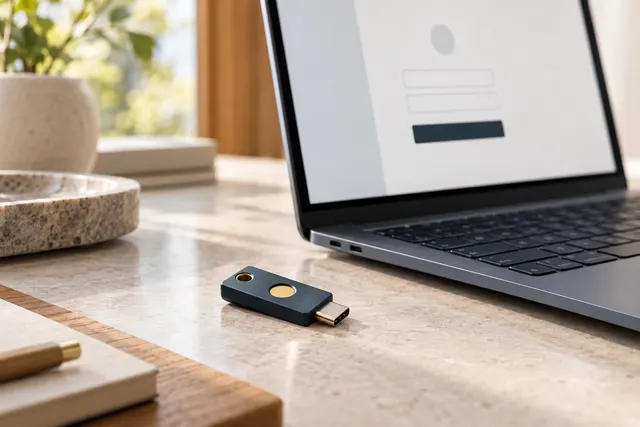 AI Illustration.Cybersecurity & Network ProtectionProtection for users, devices, networks and data.VIEW DETAILSCLOSE DETAILS+
Protecting a connected environment requires controls around users, devices, networks and data, together with a practical recovery plan. BootNet integrates these measures around operational requirements and the risks they need to address.
Identity protection includes multi-factor authentication, conditional access and secure remote access, with permissions aligned to user roles. Network and endpoint security controls are coordinated with access policies, applying Zero Trust principles where appropriate.
Backup and recovery planning addresses critical data, systems and services. Retention policies, recovery testing and documented response procedures are defined around operational priorities, helping establish how essential services can be restored following disruption.
The controls, backup arrangements and frequency of recovery testing are defined within the agreed project or service scope.
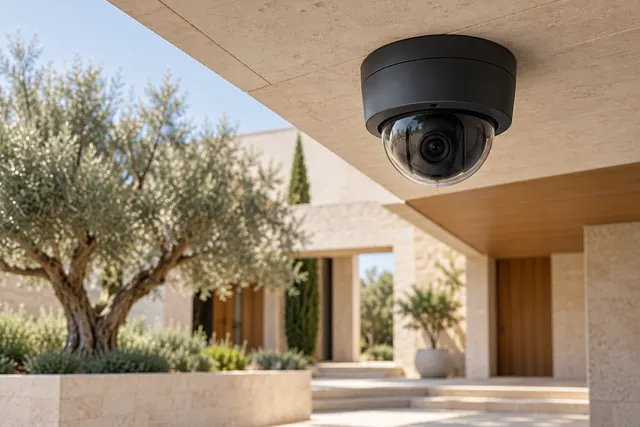 AI Illustration.Video Surveillance & AnalyticsCamera coverage, analytics and event review.VIEW DETAILSCLOSE DETAILS+
We plan and integrate IP video surveillance, centralised video management and analytics around the areas that need visibility. Camera coverage, viewing permissions and event review are coordinated to provide a practical overview of the property.
Analytics and relevant alerts are configured according to the selected system capabilities and project requirements, helping users identify and review events that warrant attention.
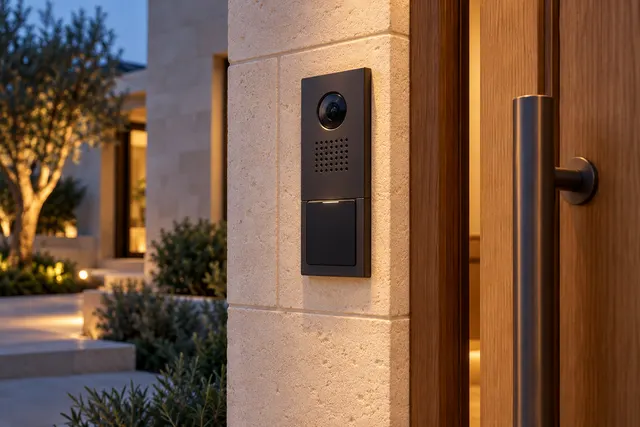 AI Illustration.Access Control & IntercomEntrance communication and controlled access.VIEW DETAILSCLOSE DETAILS+
We integrate intercom, gate and access control systems to coordinate communication at entrances and manage entry permissions. Access arrangements reflect the needs of regular users, visitors, deliveries and service providers.
Where included in the selected solution, remote communication and entry control allow authorised users to manage access from another location. Connections to visitor-management and identity systems are incorporated where required.
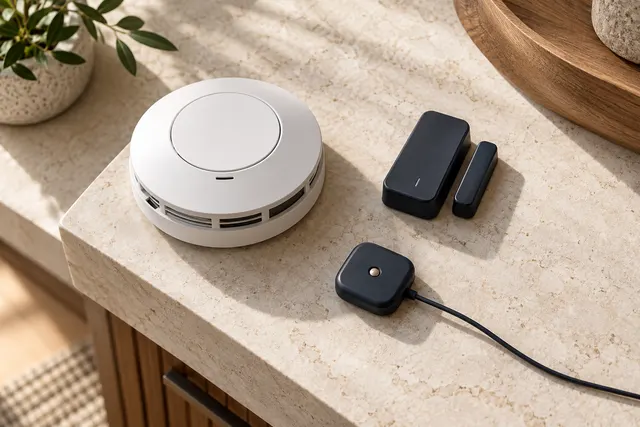 AI Illustration.Intrusion, Fire & Water Leak DetectionDetection, alerts and configured responses.VIEW DETAILSCLOSE DETAILS+
We plan and integrate intrusion alarms, fire detection and water-leak or flood detection around the relevant project requirements. Detection events, alerts and response arrangements are coordinated so that the appropriate people receive information requiring action.
Where supported by the selected systems, automatic actions can be configured to help limit water damage. Fire detection and life-safety functions are defined according to the applicable requirements and agreed project scope.
TECHNOLOGY CAPABILITIES
Lighting, shading and climate brought into coordinated control around comfort, patterns of use and operational needs.
 AI Illustration.Smart Lighting & ShadingControl of light, blinds and curtains.VIEW DETAILSCLOSE DETAILS+
We integrate control of lighting, blinds and curtains around the layout and use of each space. Lighting and shading can be adjusted through the selected controls, with operating settings defined around user preferences and the capabilities of the installed systems.
The scope is coordinated with the wider project so that lighting and shading form part of a consistent, usable environment.
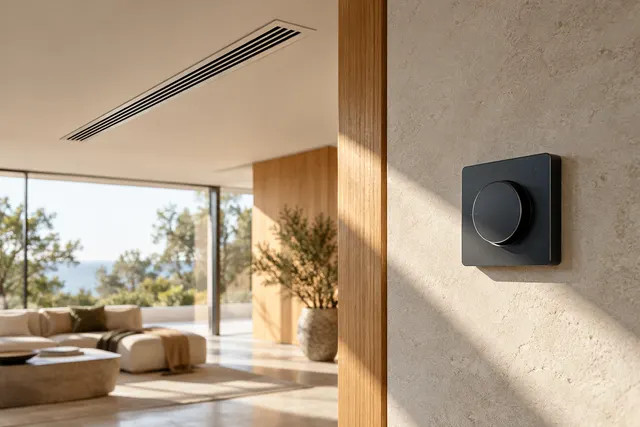 AI Illustration.Climate Control & Energy ManagementClimate control and informed energy management.VIEW DETAILSCLOSE DETAILS+
We integrate control of air conditioning and underfloor heating, where included in the project, around the requirements of different rooms and areas. Temperature settings and operating arrangements are defined according to how the space is used and the capabilities of the connected equipment.
Energy-management functions use available system and occupancy information to help identify unnecessary consumption and inform operational adjustments. The level of visibility and control depends on the selected systems and agreed scope; energy savings are not assumed or guaranteed.
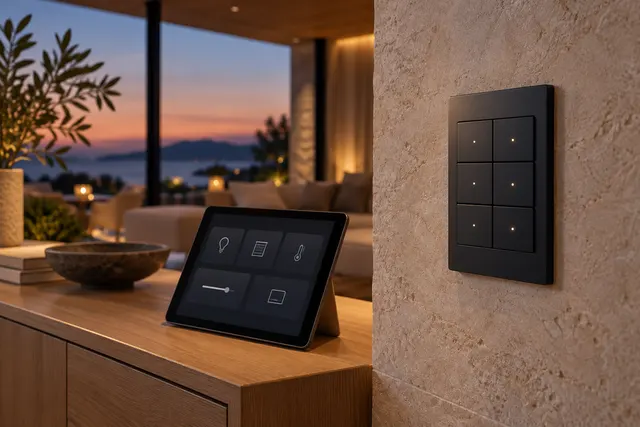 AI Illustration.Integrated Control & AutomationCoordinated controls, scenes and routines.VIEW DETAILSCLOSE DETAILS+
Individual systems become easier to use when their controls and behaviour are coordinated. BootNet engineers and programs the disciplines included in each project into a shared control environment, shaped around everyday use and operational requirements.
Touchscreens, apps and selected control interfaces provide access to the connected functions. Scenes bring several actions together, while schedules and configured triggers allow systems to respond to defined routines or conditions. These can include everyday settings, Shabbat, hosting and vacation modes, according to the project requirements.
Where required, room or space status can be connected with operational workflows, including housekeeping, according to the capabilities of the selected systems and the agreed scope.
Integration is based on the capabilities and compatibility of the selected systems. Control logic and interactions are tested and documented so that the intended behaviour is clear and consistent.
Available functions depend on the selected systems and agreed scope. Energy savings are not assumed or guaranteed.
TECHNOLOGY CAPABILITIES
Sound, picture and displayed information shaped around entertainment, meetings and communication within the space.
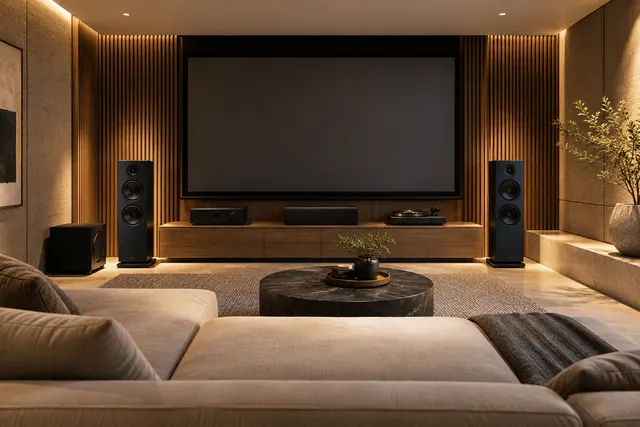 AI Illustration.Audio, Video & EntertainmentSound, television and cinema in the space.VIEW DETAILSCLOSE DETAILS+
We integrate multi-room audio, architectural sound systems, television and cinema systems for indoor and outdoor use. Content sources and distribution are coordinated so that media can be accessed in the intended rooms and areas.
Where included in the project, managed television, IPTV and personal-device casting are integrated with the selected platforms. Available functions depend on system compatibility and the agreed scope.
Where supported, television platforms can also present branded information, messages and digital service functions through integration with relevant operational platforms.
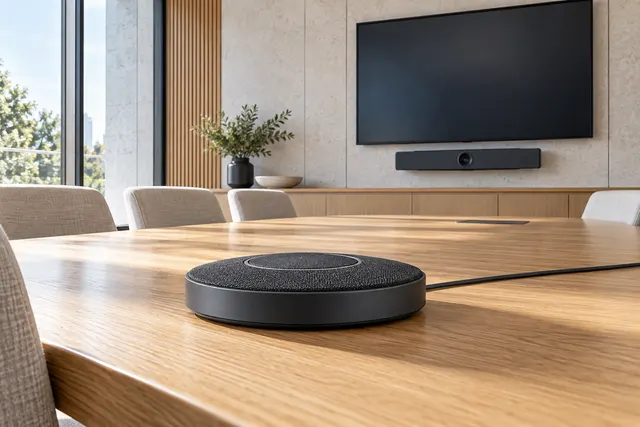 AI Illustration.Conference & Collaboration AVAV for meetings, presentations and collaboration.VIEW DETAILSCLOSE DETAILS+
We design and integrate audiovisual systems for presentations, meetings and events, bringing together sound, displays, projection, wireless presentation and video conferencing.
The configuration reflects room layout, participant needs and the selected collaboration platforms. Room-booking integration is included where required, connecting the use of the space with its audiovisual facilities.
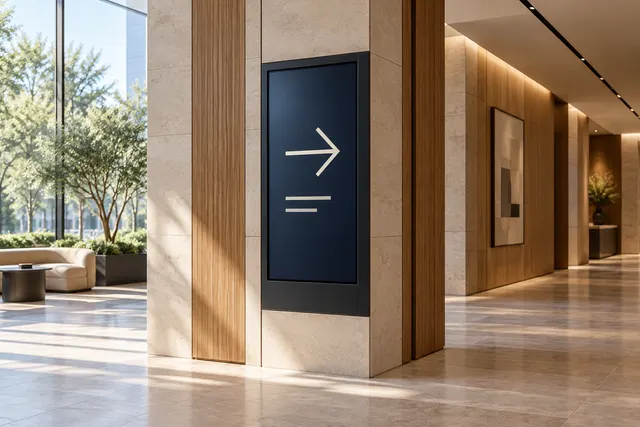 AI Illustration.Digital Signage & WayfindingInformation, announcements and directional guidance.VIEW DETAILSCLOSE DETAILS+
We deploy centrally managed displays for information, schedules, announcements and directional guidance. Display locations and content distribution are planned around where information is needed and who needs to see it.
The selected platform provides a coordinated way to update content across designated screens. Where included, displays can also carry emergency messages and time-sensitive operational information.
CROSS-DISCIPLINE SERVICES
Coordinated delivery from requirements and engineering through handover, with ongoing care defined by the service agreement.
 AI Illustration.Technology Planning, Engineering & DeliveryFrom requirements and engineering to handover.VIEW DETAILSCLOSE DETAILS+
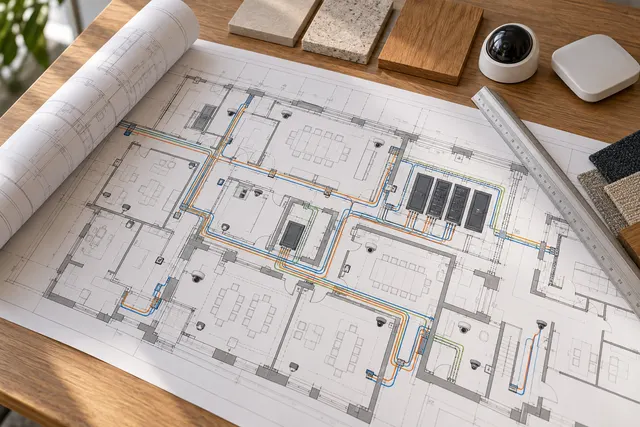
A coordinated technology environment starts with a clear plan. BootNet brings the disciplines included in each project into one delivery process, from requirements and engineering through installation, commissioning and handover.
Technology masterplanning defines the scope, priorities, budget and total cost of ownership. Design coordination brings together owners, users, architects, consultants and construction teams, with standards, documentation and design reviews guiding decisions throughout the project.
During delivery, we coordinate procurement, contractors and installation activities, with budget and schedule control aligned to the agreed scope. Commissioning brings together performance testing, fine-tuning and verification of the completed environment. Documentation, personal handover and user training prepare the people responsible for its daily operation.
For temporary deployments and events, technical production can include dedicated infrastructure, rehearsals and coordinated onsite operation. The equipment, connectivity and operating responsibilities are defined for each engagement.
 AI Illustration.Managed Services & Lifecycle — eConciergeOngoing care within your service agreement.VIEW DETAILSCLOSE DETAILS+
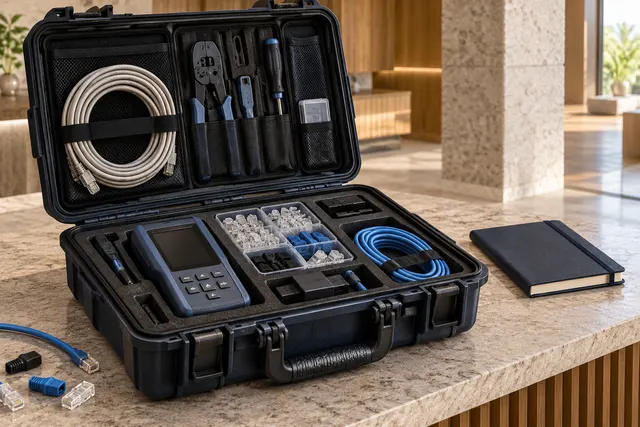
Technology needs continuity of care as systems age, requirements change and people come and go. BootNet eConcierge Managed Service provides a coordinated point of responsibility for the systems and services included in each customer’s agreement.
Automated monitoring, preventive maintenance, updates and agreed configuration changes help identify developing issues and keep the environment maintained. Service requests and incidents are handled through structured triage, escalation and coordination, with remote and onsite support according to the selected service plan.
Where included, device and user lifecycle management covers device configuration, software deployment, onboarding, role changes and offboarding, with access changes coordinated with the defined security policies.
Lifecycle management brings together asset records, vendors, licences, subscriptions, warranties and renewal dates. Replacement planning, budget forecasts and a multi-year technology roadmap help customers assess priorities and prepare for upgrades.
Where agreed, BootNet can also act as an external IT department, coordinating day-to-day technology operations through the same service framework.
The systems covered, monitoring arrangements, support hours, response commitments and onsite attendance are defined in the applicable agreement.
Systems covered, monitoring arrangements, support hours and response commitments are defined in the applicable service agreement.
The selected technologies are brought together through a coordinated process, with responsibilities defined from planning through handover and ongoing service.
We define requirements and coordinate technology decisions with the space, its users and the wider project team.
We integrate the selected systems, test their interactions and prepare a documented handover.
Ongoing care follows the systems covered and the support arrangements defined in your service agreement.
Networks, security, AV and smart control, delivered by one team.
Networks, security, AV and smart control, delivered by one team.
AI Illustration.
ONE COORDINATED ENVIRONMENT
Explore BootNet’s capabilities across five connected areas, with planning, integration and ongoing service bringing the selected systems together.
TECHNOLOGY CAPABILITIES
The network, computing and communication foundations that connect people, devices and locations.
AI Illustration.Network Infrastructure & Internet ConnectivityPhysical infrastructure and resilient connections.VIEW DETAILSCLOSE DETAILS+We design and install communications infrastructure, including copper cabling, fibre backbones, communications rooms and accessible pathways for maintenance and future upgrades. The network architecture defines how devices, systems and locations connect, with segmentation to separate different users and operational requirements.
Internet connectivity is coordinated with communication providers. Where required by the project, primary and backup connections, automatic failover and traffic prioritisation are incorporated to reduce disruption from individual connection failures.
AI Illustration.Wi-Fi NetworksWireless coverage around people and spaces.VIEW DETAILSCLOSE DETAILS+We plan and implement wireless networks around coverage, capacity and the way people and devices use the space. Indoor and outdoor areas, building layout and expected demand inform the design.
Wireless access is coordinated with the wider network, with separate access arrangements for different user groups where needed. Centralised configuration provides a consistent basis for administration; ongoing monitoring and support are provided within the scope of the selected service agreement.
AI Illustration.IT Infrastructure & SystemsPlatforms for applications, data and growth.VIEW DETAILSCLOSE DETAILS+Applications and data depend on the platforms behind them. BootNet brings together servers, storage, virtualisation and cloud services in a coordinated IT environment, shaped around operational requirements and capacity needs.
We configure and integrate core platforms, including identity infrastructure, and document their configuration to support administration and future changes. Capacity planning helps align resources with current demand and anticipated growth.
Cloud services are incorporated according to the agreed project scope. Where included, Microsoft Azure and Microsoft 365 support hosting, email, file storage and sharing, identity services and collaboration. Migration from legacy systems is planned as part of the transition to the selected environment.
AI Illustration.Unified Communications & TelephonyTelephony and communication across locations.VIEW DETAILSCLOSE DETAILS+A consistent communication environment connects people across rooms, locations and remote working arrangements. BootNet plans and integrates telephony and cloud PBX systems around how users need to communicate, with centralised administration and room to expand.
Telephony can be connected with messaging and selected collaboration platforms to provide a coordinated user experience. The configuration reflects operational requirements, platform compatibility and the agreed project scope.
The communication environment is designed for consistent administration across its users and locations. Ongoing management and support are provided according to the selected service agreement.
TECHNOLOGY CAPABILITIES
Protection across networks, entrances and physical spaces, with controls and response arrangements shaped around the project.
AI Illustration.Cybersecurity & Network ProtectionProtection for users, devices, networks and data.VIEW DETAILSCLOSE DETAILS+Protecting a connected environment requires controls around users, devices, networks and data, together with a practical recovery plan. BootNet integrates these measures around operational requirements and the risks they need to address.
Identity protection includes multi-factor authentication, conditional access and secure remote access, with permissions aligned to user roles. Network and endpoint security controls are coordinated with access policies, applying Zero Trust principles where appropriate.
Backup and recovery planning addresses critical data, systems and services. Retention policies, recovery testing and documented response procedures are defined around operational priorities, helping establish how essential services can be restored following disruption.
The controls, backup arrangements and frequency of recovery testing are defined within the agreed project or service scope.
AI Illustration.Video Surveillance & AnalyticsCamera coverage, analytics and event review.VIEW DETAILSCLOSE DETAILS+We plan and integrate IP video surveillance, centralised video management and analytics around the areas that need visibility. Camera coverage, viewing permissions and event review are coordinated to provide a practical overview of the property.
Analytics and relevant alerts are configured according to the selected system capabilities and project requirements, helping users identify and review events that warrant attention.
AI Illustration.Access Control & IntercomEntrance communication and controlled access.VIEW DETAILSCLOSE DETAILS+We integrate intercom, gate and access control systems to coordinate communication at entrances and manage entry permissions. Access arrangements reflect the needs of regular users, visitors, deliveries and service providers.
Where included in the selected solution, remote communication and entry control allow authorised users to manage access from another location. Connections to visitor-management and identity systems are incorporated where required.
AI Illustration.Intrusion, Fire & Water Leak DetectionDetection, alerts and configured responses.VIEW DETAILSCLOSE DETAILS+We plan and integrate intrusion alarms, fire detection and water-leak or flood detection around the relevant project requirements. Detection events, alerts and response arrangements are coordinated so that the appropriate people receive information requiring action.
Where supported by the selected systems, automatic actions can be configured to help limit water damage. Fire detection and life-safety functions are defined according to the applicable requirements and agreed project scope.
TECHNOLOGY CAPABILITIES
Lighting, shading and climate brought into coordinated control around comfort, patterns of use and operational needs.
AI Illustration.Smart Lighting & ShadingControl of light, blinds and curtains.VIEW DETAILSCLOSE DETAILS+We integrate control of lighting, blinds and curtains around the layout and use of each space. Lighting and shading can be adjusted through the selected controls, with operating settings defined around user preferences and the capabilities of the installed systems.
The scope is coordinated with the wider project so that lighting and shading form part of a consistent, usable environment.
AI Illustration.Climate Control & Energy ManagementClimate control and informed energy management.VIEW DETAILSCLOSE DETAILS+We integrate control of air conditioning and underfloor heating, where included in the project, around the requirements of different rooms and areas. Temperature settings and operating arrangements are defined according to how the space is used and the capabilities of the connected equipment.
Energy-management functions use available system and occupancy information to help identify unnecessary consumption and inform operational adjustments. The level of visibility and control depends on the selected systems and agreed scope; energy savings are not assumed or guaranteed.
AI Illustration.Integrated Control & AutomationCoordinated controls, scenes and routines.VIEW DETAILSCLOSE DETAILS+Individual systems become easier to use when their controls and behaviour are coordinated. BootNet engineers and programs the disciplines included in each project into a shared control environment, shaped around everyday use and operational requirements.
Touchscreens, apps and selected control interfaces provide access to the connected functions. Scenes bring several actions together, while schedules and configured triggers allow systems to respond to defined routines or conditions. These can include everyday settings, Shabbat, hosting and vacation modes, according to the project requirements.
Where required, room or space status can be connected with operational workflows, including housekeeping, according to the capabilities of the selected systems and the agreed scope.
Integration is based on the capabilities and compatibility of the selected systems. Control logic and interactions are tested and documented so that the intended behaviour is clear and consistent.
Available functions depend on the selected systems and agreed scope. Energy savings are not assumed or guaranteed.
TECHNOLOGY CAPABILITIES
Sound, picture and displayed information shaped around entertainment, meetings and communication within the space.
AI Illustration.Audio, Video & EntertainmentSound, television and cinema in the space.VIEW DETAILSCLOSE DETAILS+We integrate multi-room audio, architectural sound systems, television and cinema systems for indoor and outdoor use. Content sources and distribution are coordinated so that media can be accessed in the intended rooms and areas.
Where included in the project, managed television, IPTV and personal-device casting are integrated with the selected platforms. Available functions depend on system compatibility and the agreed scope.
Where supported, television platforms can also present branded information, messages and digital service functions through integration with relevant operational platforms.
AI Illustration.Conference & Collaboration AVAV for meetings, presentations and collaboration.VIEW DETAILSCLOSE DETAILS+We design and integrate audiovisual systems for presentations, meetings and events, bringing together sound, displays, projection, wireless presentation and video conferencing.
The configuration reflects room layout, participant needs and the selected collaboration platforms. Room-booking integration is included where required, connecting the use of the space with its audiovisual facilities.
AI Illustration.Digital Signage & WayfindingInformation, announcements and directional guidance.VIEW DETAILSCLOSE DETAILS+We deploy centrally managed displays for information, schedules, announcements and directional guidance. Display locations and content distribution are planned around where information is needed and who needs to see it.
The selected platform provides a coordinated way to update content across designated screens. Where included, displays can also carry emergency messages and time-sensitive operational information.
CROSS-DISCIPLINE SERVICES
Coordinated delivery from requirements and engineering through handover, with ongoing care defined by the service agreement.
AI Illustration.Technology Planning, Engineering & DeliveryFrom requirements and engineering to handover.VIEW DETAILSCLOSE DETAILS+A coordinated technology environment starts with a clear plan. BootNet brings the disciplines included in each project into one delivery process, from requirements and engineering through installation, commissioning and handover.
Technology masterplanning defines the scope, priorities, budget and total cost of ownership. Design coordination brings together owners, users, architects, consultants and construction teams, with standards, documentation and design reviews guiding decisions throughout the project.
During delivery, we coordinate procurement, contractors and installation activities, with budget and schedule control aligned to the agreed scope. Commissioning brings together performance testing, fine-tuning and verification of the completed environment. Documentation, personal handover and user training prepare the people responsible for its daily operation.
For temporary deployments and events, technical production can include dedicated infrastructure, rehearsals and coordinated onsite operation. The equipment, connectivity and operating responsibilities are defined for each engagement.
AI Illustration.Managed Services & Lifecycle — eConciergeOngoing care within your service agreement.VIEW DETAILSCLOSE DETAILS+Technology needs continuity of care as systems age, requirements change and people come and go. BootNet eConcierge Managed Service provides a coordinated point of responsibility for the systems and services included in each customer’s agreement.
Automated monitoring, preventive maintenance, updates and agreed configuration changes help identify developing issues and keep the environment maintained. Service requests and incidents are handled through structured triage, escalation and coordination, with remote and onsite support according to the selected service plan.
Where included, device and user lifecycle management covers device configuration, software deployment, onboarding, role changes and offboarding, with access changes coordinated with the defined security policies.
Lifecycle management brings together asset records, vendors, licences, subscriptions, warranties and renewal dates. Replacement planning, budget forecasts and a multi-year technology roadmap help customers assess priorities and prepare for upgrades.
Where agreed, BootNet can also act as an external IT department, coordinating day-to-day technology operations through the same service framework.
The systems covered, monitoring arrangements, support hours, response commitments and onsite attendance are defined in the applicable agreement.
Systems covered, monitoring arrangements, support hours and response commitments are defined in the applicable service agreement.
The selected technologies are brought together through a coordinated process, with responsibilities defined from planning through handover and ongoing service.
We define requirements and coordinate technology decisions with the space, its users and the wider project team.
We integrate the selected systems, test their interactions and prepare a documented handover.
Ongoing care follows the systems covered and the support arrangements defined in your service agreement.
01AI Illustration.Physical infrastructure and resilient connections.
VIEW DETAILS – Network Infrastructure & Internet Connectivity02AI Illustration.Wireless coverage around people and spaces.
VIEW DETAILS – Wi-Fi Networks03AI Illustration.Platforms for applications, data and growth.
VIEW DETAILS – IT Infrastructure & Systems04AI Illustration.Telephony and communication across locations.
VIEW DETAILS – Unified Communications & Telephony05AI Illustration.Protection for users, devices, networks and data.
VIEW DETAILS – Cybersecurity & Network Protection06AI Illustration.Camera coverage, analytics and event review.
VIEW DETAILS – Video Surveillance & Analytics07AI Illustration.Entrance communication and controlled access.
VIEW DETAILS – Access Control & Intercom08AI Illustration.Detection, alerts and configured responses.
VIEW DETAILS – Intrusion, Fire & Water Leak Detection09AI Illustration.Control of light, blinds and curtains.
VIEW DETAILS – Smart Lighting & Shading10AI Illustration.Climate control and informed energy management.
VIEW DETAILS – Climate Control & Energy Management11AI Illustration.Coordinated controls, scenes and routines.
VIEW DETAILS – Integrated Control & Automation12AI Illustration.Sound, television and cinema in the space.
VIEW DETAILS – Audio, Video & Entertainment13AI Illustration.AV for meetings, presentations and collaboration.
VIEW DETAILS – Conference & Collaboration AV14AI Illustration.Information, announcements and directional guidance.
VIEW DETAILS – Digital Signage & Wayfinding15AI Illustration.From requirements and engineering to handover.
VIEW DETAILS – Technology Planning, Engineering & Delivery16AI Illustration.Ongoing care within your service agreement.
VIEW DETAILS – Managed Services & Lifecycle — eConciergeThe network, computing and communication foundations that connect people, devices and locations.
AI Illustration.We design and install communications infrastructure, including copper cabling, fibre backbones, communications rooms and accessible pathways for maintenance and future upgrades. The network architecture defines how devices, systems and locations connect, with segmentation to separate different users and operational requirements.
Internet connectivity is coordinated with communication providers. Where required by the project, primary and backup connections, automatic failover and traffic prioritisation are incorporated to reduce disruption from individual connection failures.
AI Illustration.We plan and implement wireless networks around coverage, capacity and the way people and devices use the space. Indoor and outdoor areas, building layout and expected demand inform the design.
Wireless access is coordinated with the wider network, with separate access arrangements for different user groups where needed. Centralised configuration provides a consistent basis for administration; ongoing monitoring and support are provided within the scope of the selected service agreement.
AI Illustration.Applications and data depend on the platforms behind them. BootNet brings together servers, storage, virtualisation and cloud services in a coordinated IT environment, shaped around operational requirements and capacity needs.
We configure and integrate core platforms, including identity infrastructure, and document their configuration to support administration and future changes. Capacity planning helps align resources with current demand and anticipated growth.
Cloud services are incorporated according to the agreed project scope. Where included, Microsoft Azure and Microsoft 365 support hosting, email, file storage and sharing, identity services and collaboration. Migration from legacy systems is planned as part of the transition to the selected environment.
AI Illustration.A consistent communication environment connects people across rooms, locations and remote working arrangements. BootNet plans and integrates telephony and cloud PBX systems around how users need to communicate, with centralised administration and room to expand.
Telephony can be connected with messaging and selected collaboration platforms to provide a coordinated user experience. The configuration reflects operational requirements, platform compatibility and the agreed project scope.
The communication environment is designed for consistent administration across its users and locations. Ongoing management and support are provided according to the selected service agreement.
Protection across networks, entrances and physical spaces, with controls and response arrangements shaped around the project.
AI Illustration.Protecting a connected environment requires controls around users, devices, networks and data, together with a practical recovery plan. BootNet integrates these measures around operational requirements and the risks they need to address.
Identity protection includes multi-factor authentication, conditional access and secure remote access, with permissions aligned to user roles. Network and endpoint security controls are coordinated with access policies, applying Zero Trust principles where appropriate.
Backup and recovery planning addresses critical data, systems and services. Retention policies, recovery testing and documented response procedures are defined around operational priorities, helping establish how essential services can be restored following disruption.
The controls, backup arrangements and frequency of recovery testing are defined within the agreed project or service scope.
AI Illustration.We plan and integrate IP video surveillance, centralised video management and analytics around the areas that need visibility. Camera coverage, viewing permissions and event review are coordinated to provide a practical overview of the property.
Analytics and relevant alerts are configured according to the selected system capabilities and project requirements, helping users identify and review events that warrant attention.
AI Illustration.We integrate intercom, gate and access control systems to coordinate communication at entrances and manage entry permissions. Access arrangements reflect the needs of regular users, visitors, deliveries and service providers.
Where included in the selected solution, remote communication and entry control allow authorised users to manage access from another location. Connections to visitor-management and identity systems are incorporated where required.
AI Illustration.We plan and integrate intrusion alarms, fire detection and water-leak or flood detection around the relevant project requirements. Detection events, alerts and response arrangements are coordinated so that the appropriate people receive information requiring action.
Where supported by the selected systems, automatic actions can be configured to help limit water damage. Fire detection and life-safety functions are defined according to the applicable requirements and agreed project scope.
Lighting, shading and climate brought into coordinated control around comfort, patterns of use and operational needs.
AI Illustration.We integrate control of lighting, blinds and curtains around the layout and use of each space. Lighting and shading can be adjusted through the selected controls, with operating settings defined around user preferences and the capabilities of the installed systems.
The scope is coordinated with the wider project so that lighting and shading form part of a consistent, usable environment.
AI Illustration.We integrate control of air conditioning and underfloor heating, where included in the project, around the requirements of different rooms and areas. Temperature settings and operating arrangements are defined according to how the space is used and the capabilities of the connected equipment.
Energy-management functions use available system and occupancy information to help identify unnecessary consumption and inform operational adjustments. The level of visibility and control depends on the selected systems and agreed scope; energy savings are not assumed or guaranteed.
AI Illustration.Individual systems become easier to use when their controls and behaviour are coordinated. BootNet engineers and programs the disciplines included in each project into a shared control environment, shaped around everyday use and operational requirements.
Touchscreens, apps and selected control interfaces provide access to the connected functions. Scenes bring several actions together, while schedules and configured triggers allow systems to respond to defined routines or conditions. These can include everyday settings, Shabbat, hosting and vacation modes, according to the project requirements.
Where required, room or space status can be connected with operational workflows, including housekeeping, according to the capabilities of the selected systems and the agreed scope.
Integration is based on the capabilities and compatibility of the selected systems. Control logic and interactions are tested and documented so that the intended behaviour is clear and consistent.
Available functions depend on the selected systems and agreed scope. Energy savings are not assumed or guaranteed.
Sound, picture and displayed information shaped around entertainment, meetings and communication within the space.
AI Illustration.We integrate multi-room audio, architectural sound systems, television and cinema systems for indoor and outdoor use. Content sources and distribution are coordinated so that media can be accessed in the intended rooms and areas.
Where included in the project, managed television, IPTV and personal-device casting are integrated with the selected platforms. Available functions depend on system compatibility and the agreed scope.
Where supported, television platforms can also present branded information, messages and digital service functions through integration with relevant operational platforms.
AI Illustration.We design and integrate audiovisual systems for presentations, meetings and events, bringing together sound, displays, projection, wireless presentation and video conferencing.
The configuration reflects room layout, participant needs and the selected collaboration platforms. Room-booking integration is included where required, connecting the use of the space with its audiovisual facilities.
AI Illustration.We deploy centrally managed displays for information, schedules, announcements and directional guidance. Display locations and content distribution are planned around where information is needed and who needs to see it.
The selected platform provides a coordinated way to update content across designated screens. Where included, displays can also carry emergency messages and time-sensitive operational information.
Coordinated delivery from requirements and engineering through handover, with ongoing care defined by the service agreement.
AI Illustration.A coordinated technology environment starts with a clear plan. BootNet brings the disciplines included in each project into one delivery process, from requirements and engineering through installation, commissioning and handover.
Technology masterplanning defines the scope, priorities, budget and total cost of ownership. Design coordination brings together owners, users, architects, consultants and construction teams, with standards, documentation and design reviews guiding decisions throughout the project.
During delivery, we coordinate procurement, contractors and installation activities, with budget and schedule control aligned to the agreed scope. Commissioning brings together performance testing, fine-tuning and verification of the completed environment. Documentation, personal handover and user training prepare the people responsible for its daily operation.
For temporary deployments and events, technical production can include dedicated infrastructure, rehearsals and coordinated onsite operation. The equipment, connectivity and operating responsibilities are defined for each engagement.
AI Illustration.Technology needs continuity of care as systems age, requirements change and people come and go. BootNet eConcierge Managed Service provides a coordinated point of responsibility for the systems and services included in each customer’s agreement.
Automated monitoring, preventive maintenance, updates and agreed configuration changes help identify developing issues and keep the environment maintained. Service requests and incidents are handled through structured triage, escalation and coordination, with remote and onsite support according to the selected service plan.
Where included, device and user lifecycle management covers device configuration, software deployment, onboarding, role changes and offboarding, with access changes coordinated with the defined security policies.
Lifecycle management brings together asset records, vendors, licences, subscriptions, warranties and renewal dates. Replacement planning, budget forecasts and a multi-year technology roadmap help customers assess priorities and prepare for upgrades.
Where agreed, BootNet can also act as an external IT department, coordinating day-to-day technology operations through the same service framework.
The systems covered, monitoring arrangements, support hours, response commitments and onsite attendance are defined in the applicable agreement.
Systems covered, monitoring arrangements, support hours and response commitments are defined in the applicable service agreement.
Networks, security, AV and smart control, delivered by one team.
AI Illustration.
ONE COORDINATED ENVIRONMENT
Explore BootNet’s capabilities across five connected areas, with planning, integration and ongoing service bringing the selected systems together.
TECHNOLOGY CAPABILITIES
The network, computing and communication foundations that connect people, devices and locations.
AI Illustration.Network Infrastructure & Internet ConnectivityPhysical infrastructure and resilient connections.VIEW DETAILSCLOSE DETAILS+We design and install communications infrastructure, including copper cabling, fibre backbones, communications rooms and accessible pathways for maintenance and future upgrades. The network architecture defines how devices, systems and locations connect, with segmentation to separate different users and operational requirements.
Internet connectivity is coordinated with communication providers. Where required by the project, primary and backup connections, automatic failover and traffic prioritisation are incorporated to reduce disruption from individual connection failures.
AI Illustration.Wi-Fi NetworksWireless coverage around people and spaces.VIEW DETAILSCLOSE DETAILS+We plan and implement wireless networks around coverage, capacity and the way people and devices use the space. Indoor and outdoor areas, building layout and expected demand inform the design.
Wireless access is coordinated with the wider network, with separate access arrangements for different user groups where needed. Centralised configuration provides a consistent basis for administration; ongoing monitoring and support are provided within the scope of the selected service agreement.
AI Illustration.IT Infrastructure & SystemsPlatforms for applications, data and growth.VIEW DETAILSCLOSE DETAILS+Applications and data depend on the platforms behind them. BootNet brings together servers, storage, virtualisation and cloud services in a coordinated IT environment, shaped around operational requirements and capacity needs.
We configure and integrate core platforms, including identity infrastructure, and document their configuration to support administration and future changes. Capacity planning helps align resources with current demand and anticipated growth.
Cloud services are incorporated according to the agreed project scope. Where included, Microsoft Azure and Microsoft 365 support hosting, email, file storage and sharing, identity services and collaboration. Migration from legacy systems is planned as part of the transition to the selected environment.
AI Illustration.Unified Communications & TelephonyTelephony and communication across locations.VIEW DETAILSCLOSE DETAILS+A consistent communication environment connects people across rooms, locations and remote working arrangements. BootNet plans and integrates telephony and cloud PBX systems around how users need to communicate, with centralised administration and room to expand.
Telephony can be connected with messaging and selected collaboration platforms to provide a coordinated user experience. The configuration reflects operational requirements, platform compatibility and the agreed project scope.
The communication environment is designed for consistent administration across its users and locations. Ongoing management and support are provided according to the selected service agreement.
TECHNOLOGY CAPABILITIES
Protection across networks, entrances and physical spaces, with controls and response arrangements shaped around the project.
AI Illustration.Cybersecurity & Network ProtectionProtection for users, devices, networks and data.VIEW DETAILSCLOSE DETAILS+Protecting a connected environment requires controls around users, devices, networks and data, together with a practical recovery plan. BootNet integrates these measures around operational requirements and the risks they need to address.
Identity protection includes multi-factor authentication, conditional access and secure remote access, with permissions aligned to user roles. Network and endpoint security controls are coordinated with access policies, applying Zero Trust principles where appropriate.
Backup and recovery planning addresses critical data, systems and services. Retention policies, recovery testing and documented response procedures are defined around operational priorities, helping establish how essential services can be restored following disruption.
The controls, backup arrangements and frequency of recovery testing are defined within the agreed project or service scope.
AI Illustration.Video Surveillance & AnalyticsCamera coverage, analytics and event review.VIEW DETAILSCLOSE DETAILS+We plan and integrate IP video surveillance, centralised video management and analytics around the areas that need visibility. Camera coverage, viewing permissions and event review are coordinated to provide a practical overview of the property.
Analytics and relevant alerts are configured according to the selected system capabilities and project requirements, helping users identify and review events that warrant attention.
AI Illustration.Access Control & IntercomEntrance communication and controlled access.VIEW DETAILSCLOSE DETAILS+We integrate intercom, gate and access control systems to coordinate communication at entrances and manage entry permissions. Access arrangements reflect the needs of regular users, visitors, deliveries and service providers.
Where included in the selected solution, remote communication and entry control allow authorised users to manage access from another location. Connections to visitor-management and identity systems are incorporated where required.
AI Illustration.Intrusion, Fire & Water Leak DetectionDetection, alerts and configured responses.VIEW DETAILSCLOSE DETAILS+We plan and integrate intrusion alarms, fire detection and water-leak or flood detection around the relevant project requirements. Detection events, alerts and response arrangements are coordinated so that the appropriate people receive information requiring action.
Where supported by the selected systems, automatic actions can be configured to help limit water damage. Fire detection and life-safety functions are defined according to the applicable requirements and agreed project scope.
TECHNOLOGY CAPABILITIES
Lighting, shading and climate brought into coordinated control around comfort, patterns of use and operational needs.
AI Illustration.Smart Lighting & ShadingControl of light, blinds and curtains.VIEW DETAILSCLOSE DETAILS+We integrate control of lighting, blinds and curtains around the layout and use of each space. Lighting and shading can be adjusted through the selected controls, with operating settings defined around user preferences and the capabilities of the installed systems.
The scope is coordinated with the wider project so that lighting and shading form part of a consistent, usable environment.
AI Illustration.Climate Control & Energy ManagementClimate control and informed energy management.VIEW DETAILSCLOSE DETAILS+We integrate control of air conditioning and underfloor heating, where included in the project, around the requirements of different rooms and areas. Temperature settings and operating arrangements are defined according to how the space is used and the capabilities of the connected equipment.
Energy-management functions use available system and occupancy information to help identify unnecessary consumption and inform operational adjustments. The level of visibility and control depends on the selected systems and agreed scope; energy savings are not assumed or guaranteed.
AI Illustration.Integrated Control & AutomationCoordinated controls, scenes and routines.VIEW DETAILSCLOSE DETAILS+Individual systems become easier to use when their controls and behaviour are coordinated. BootNet engineers and programs the disciplines included in each project into a shared control environment, shaped around everyday use and operational requirements.
Touchscreens, apps and selected control interfaces provide access to the connected functions. Scenes bring several actions together, while schedules and configured triggers allow systems to respond to defined routines or conditions. These can include everyday settings, Shabbat, hosting and vacation modes, according to the project requirements.
Where required, room or space status can be connected with operational workflows, including housekeeping, according to the capabilities of the selected systems and the agreed scope.
Integration is based on the capabilities and compatibility of the selected systems. Control logic and interactions are tested and documented so that the intended behaviour is clear and consistent.
Available functions depend on the selected systems and agreed scope. Energy savings are not assumed or guaranteed.
TECHNOLOGY CAPABILITIES
Sound, picture and displayed information shaped around entertainment, meetings and communication within the space.
AI Illustration.Audio, Video & EntertainmentSound, television and cinema in the space.VIEW DETAILSCLOSE DETAILS+We integrate multi-room audio, architectural sound systems, television and cinema systems for indoor and outdoor use. Content sources and distribution are coordinated so that media can be accessed in the intended rooms and areas.
Where included in the project, managed television, IPTV and personal-device casting are integrated with the selected platforms. Available functions depend on system compatibility and the agreed scope.
Where supported, television platforms can also present branded information, messages and digital service functions through integration with relevant operational platforms.
AI Illustration.Conference & Collaboration AVAV for meetings, presentations and collaboration.VIEW DETAILSCLOSE DETAILS+We design and integrate audiovisual systems for presentations, meetings and events, bringing together sound, displays, projection, wireless presentation and video conferencing.
The configuration reflects room layout, participant needs and the selected collaboration platforms. Room-booking integration is included where required, connecting the use of the space with its audiovisual facilities.
AI Illustration.Digital Signage & WayfindingInformation, announcements and directional guidance.VIEW DETAILSCLOSE DETAILS+We deploy centrally managed displays for information, schedules, announcements and directional guidance. Display locations and content distribution are planned around where information is needed and who needs to see it.
The selected platform provides a coordinated way to update content across designated screens. Where included, displays can also carry emergency messages and time-sensitive operational information.
CROSS-DISCIPLINE SERVICES
Coordinated delivery from requirements and engineering through handover, with ongoing care defined by the service agreement.
AI Illustration.Technology Planning, Engineering & DeliveryFrom requirements and engineering to handover.VIEW DETAILSCLOSE DETAILS+A coordinated technology environment starts with a clear plan. BootNet brings the disciplines included in each project into one delivery process, from requirements and engineering through installation, commissioning and handover.
Technology masterplanning defines the scope, priorities, budget and total cost of ownership. Design coordination brings together owners, users, architects, consultants and construction teams, with standards, documentation and design reviews guiding decisions throughout the project.
During delivery, we coordinate procurement, contractors and installation activities, with budget and schedule control aligned to the agreed scope. Commissioning brings together performance testing, fine-tuning and verification of the completed environment. Documentation, personal handover and user training prepare the people responsible for its daily operation.
For temporary deployments and events, technical production can include dedicated infrastructure, rehearsals and coordinated onsite operation. The equipment, connectivity and operating responsibilities are defined for each engagement.
AI Illustration.Managed Services & Lifecycle — eConciergeOngoing care within your service agreement.VIEW DETAILSCLOSE DETAILS+Technology needs continuity of care as systems age, requirements change and people come and go. BootNet eConcierge Managed Service provides a coordinated point of responsibility for the systems and services included in each customer’s agreement.
Automated monitoring, preventive maintenance, updates and agreed configuration changes help identify developing issues and keep the environment maintained. Service requests and incidents are handled through structured triage, escalation and coordination, with remote and onsite support according to the selected service plan.
Where included, device and user lifecycle management covers device configuration, software deployment, onboarding, role changes and offboarding, with access changes coordinated with the defined security policies.
Lifecycle management brings together asset records, vendors, licences, subscriptions, warranties and renewal dates. Replacement planning, budget forecasts and a multi-year technology roadmap help customers assess priorities and prepare for upgrades.
Where agreed, BootNet can also act as an external IT department, coordinating day-to-day technology operations through the same service framework.
The systems covered, monitoring arrangements, support hours, response commitments and onsite attendance are defined in the applicable agreement.
Systems covered, monitoring arrangements, support hours and response commitments are defined in the applicable service agreement.
The selected technologies are brought together through a coordinated process, with responsibilities defined from planning through handover and ongoing service.
We define requirements and coordinate technology decisions with the space, its users and the wider project team.
We integrate the selected systems, test their interactions and prepare a documented handover.
Ongoing care follows the systems covered and the support arrangements defined in your service agreement.